
Cheval Grow
Growing Frames, Not Just Weight.
The months between weaning and production are where lifetime productivity is quietly decided — through steady, balanced, frame-first growth.
The Objective
Steady Growth Beats Fast Growth.
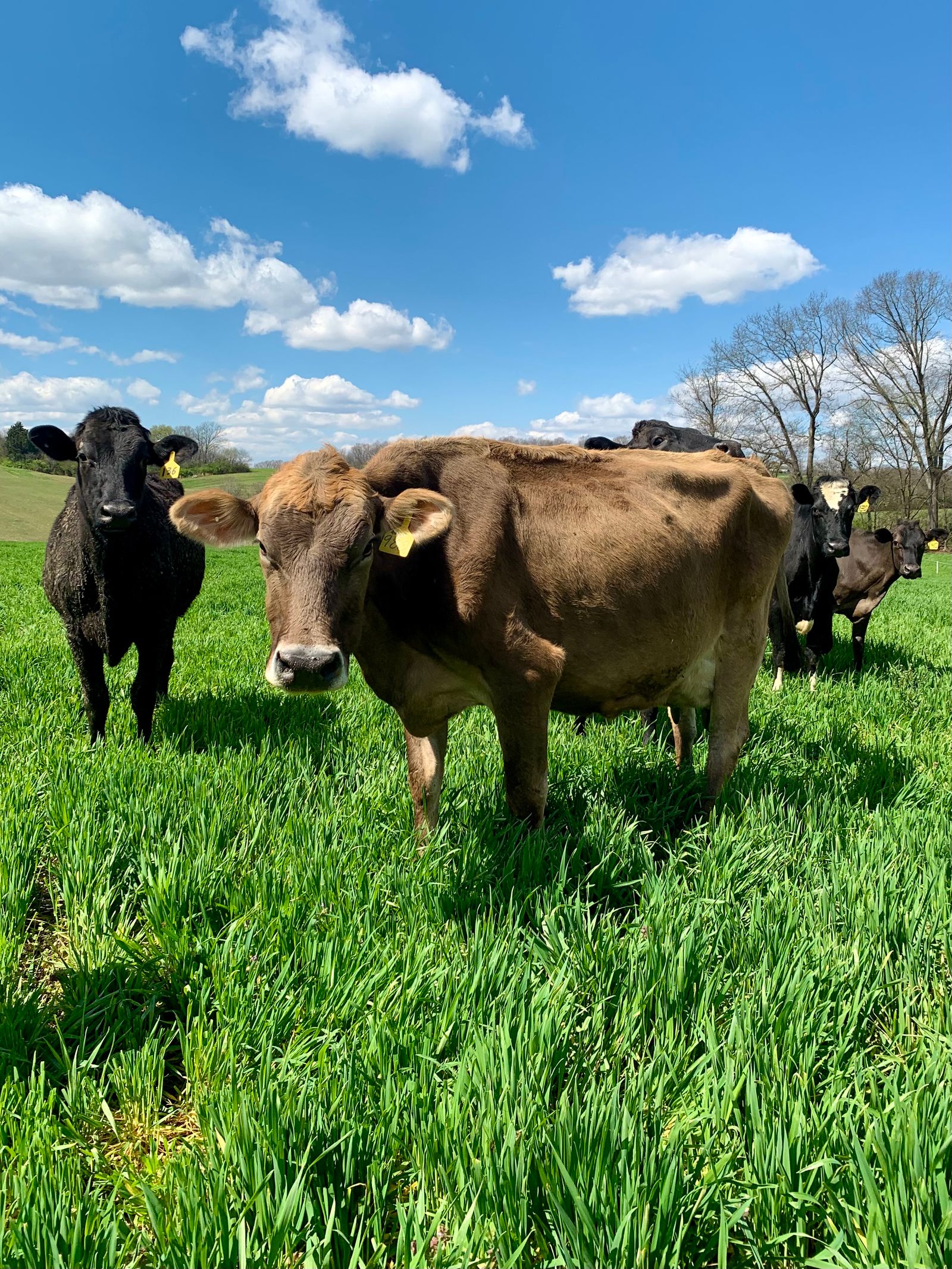
Growing cattle — whether future dairy cows or beef animals — develop best on a smooth, uninterrupted growth curve. Periods of nutritional setback followed by compensatory pushing cost more than they gain: in frame development, in fertility, and in feed wasted on inefficiency.
Cheval Grow is our proposed category for growing cattle — built around balanced energy and protein, quality forage and minerals matched to the growth stage.
Enquire on WhatsApp
Key Considerations
Five Levers of Growth Nutrition.
Growth-Stage Requirements
A just-weaned calf and a yearling have very different needs per kilogram of gain. Formulate to the stage — and re-formulate as the animal moves through it.
Energy & Protein Balance
Lean growth demands protein alongside energy. Energy alone fattens; protein alone is wasted as expensive fuel. The two must rise and fall together.
Forage Foundation
Growing cattle are ruminants first. Quality forage drives rumen capacity and cud function; concentrates complement it toward growth targets.
Balanced Minerals
Calcium and phosphorus for the growing skeleton, with trace elements supporting immunity and development — balanced to the forage, not habit.
Feed Intake
Bunk space, fresh feed, clean water and low-stress grouping all decide whether the ration on paper becomes the ration consumed.
Monitoring
Regular weighing converts feeding from guesswork to management. Track average daily gain against realistic targets for breed and stage.
Feeding Guidance
Practical Rules for Growing Stock.
- Set realistic daily gain targets for the breed and purpose — and weigh against them
- Keep forage quality analysed and consistent; unknown silage is an unknown ration
- Provide adequate bunk space so every animal can eat at once
- Introduce ration changes gradually over 7–14 days
- Group by size and stage to reduce competition and bullying at the bunk
- Keep water clean, abundant and unfrozen — intake follows water
- Watch dung and cud chewing for early signs the ration is out of balance
- Review the programme seasonally as forage and growth stages change
Common Questions
Growth Feeding, Answered.
How fast should growing cattle gain?
Targets depend on breed, purpose and stage. Dairy replacements are commonly managed toward steady daily gains that reach calving size at the right age; beef systems differ. Consistency matters more than the peak number.
Can I just feed more grain to grow cattle faster?
Rapid grain-heavy growth fattens rather than frames, risks rumen upsets and can compromise long-term productivity — particularly in breeding replacements. Balanced, forage-led rations grow better cattle.
When do mineral needs change?
Requirements shift with growth rate, forage mineral profile and season. Balance the mineral programme to forage analysis and review it when the forage source changes.
Why is my group of growers uneven?
Uneven growth usually traces to bunk competition, health events, parasites or inconsistent intake. Weigh individually, review grouping and bunk space, and work with your veterinarian on health causes.
Speak With Us
Growing the Next Herd?
Tell us about your growing stock — numbers, stage, forage — and we will help with feeding direction.
Chat on WhatsApp