
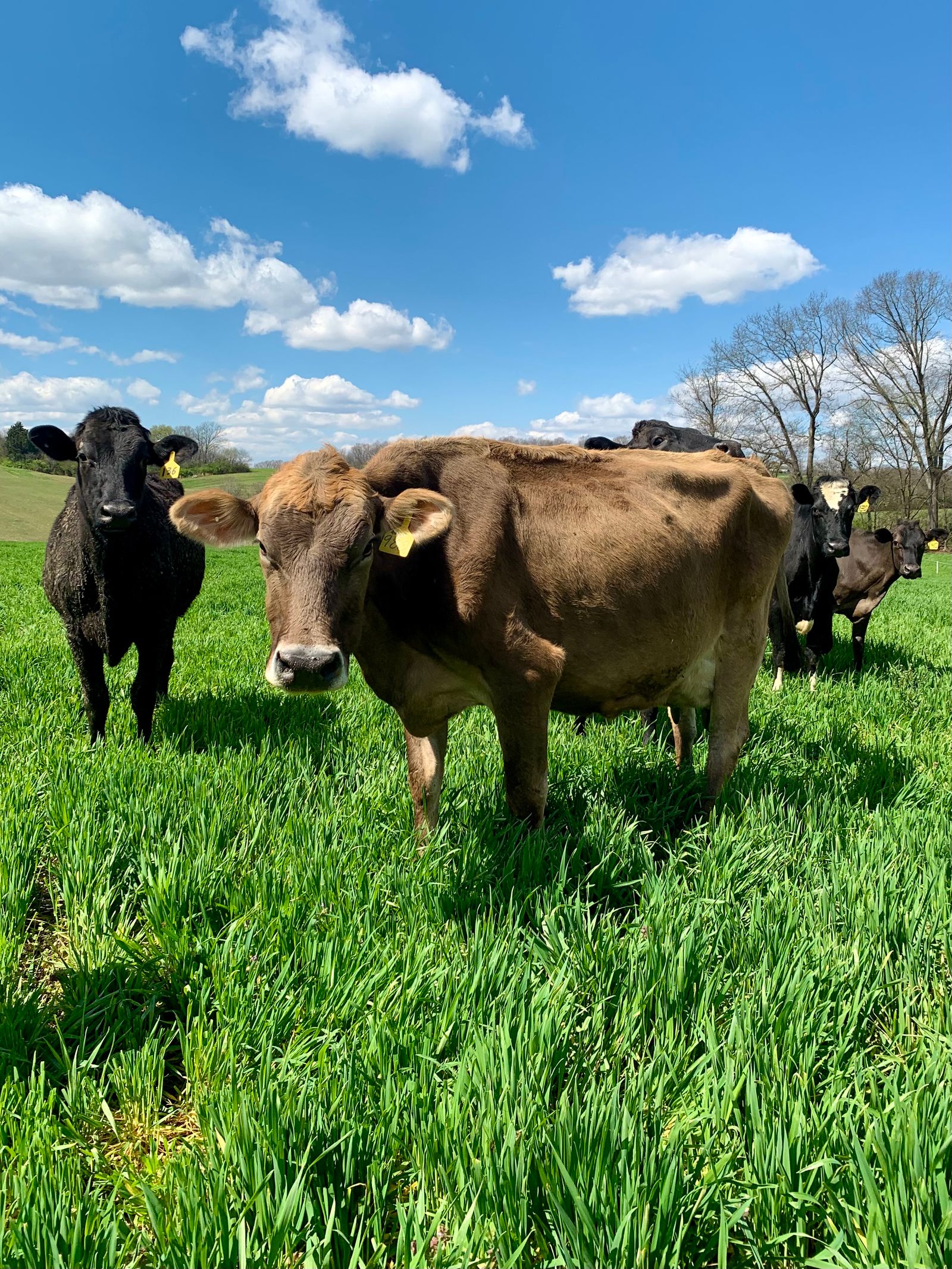
Cattle Nutrition
The Herd Runs on the Rumen.
Cattle are fermentation-powered animals. Feed the rumen well, and the animal — and the enterprise — follows.
First Principles
Feed the Microbes. They Feed the Cow.
Cattle are ruminants: a four-chambered stomach centred on the rumen, where microbes ferment forage into the volatile fatty acids that supply most of the animal's energy. The practical consequence is profound — the ration feeds the rumen's microbial population first, and the microbes feed the animal.
Balanced cattle feeding therefore rests on forage quality, fermentable energy, rumen-degradable and bypass protein, minerals, and above all consistency. Cheval Feed's cattle categories are built around these fundamentals.
Explore the Cattle Feed Range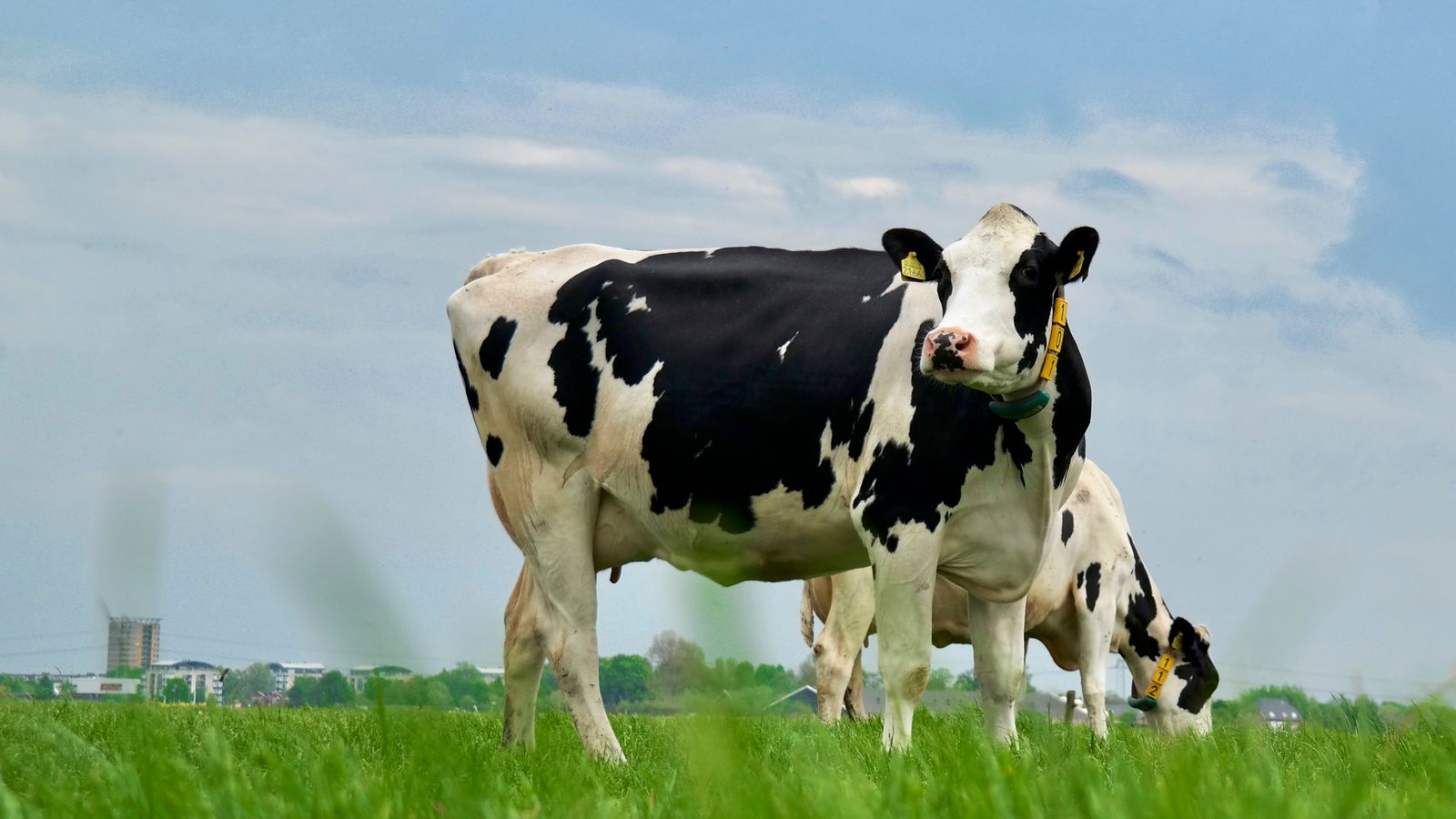
The Building Blocks
Five Pillars of the Cattle Ration.
Forage
Pasture, silage and hay provide physically effective fibre — the scratch factor that keeps the rumen mat healthy, cud chewing active and rumen pH stable.
Energy
Fermentable carbohydrates power the rumen microbes; the products of their work power the animal. Energy density must match the production stage without overwhelming the rumen.
Protein
Rumen-degradable protein feeds the microbes; bypass protein carries amino acids to the animal. Both matter, in balance — excess of either is wasted or worse.
Minerals & Vitamins
Calcium, phosphorus, magnesium and trace elements underpin fertility, immunity and production. Regional forage mineral profiles vary — balance to the gap, not the label.
Water
A lactating cow can drink well over 100 litres daily. Water intake directly drives feed intake — restrict one and you restrict the other.
Consistency
Rumen microbes adapt slowly. Regular feeding times, gradual ration transitions and consistent forage quality protect rumen stability and intake.
Stage Matters
Different Animals, Different Rations.
- Calves — colostrum first, then milk and starter feed building the future rumen
- Growing cattle — steady frame and muscle development over rapid fattening
- Transition cows — the delicate weeks around calving, where ration design shapes the whole lactation
- Lactating cows — peak energy, protein and mineral demand, forage-led and rumen-safe
- Dry cows — controlled energy, mineral preparation for the next calving

Common Questions
Cattle Nutrition, Answered.
What is the single most important part of a cattle ration?
Forage quality and quantity. The rumen is built for fibre fermentation — every concentrate should be sized to complement the forage actually available, not to compensate for forage that was never analysed.
How quickly can I change a cattle ration?
Gradually. Rumen microbes adapt over days to weeks; abrupt changes risk acidosis, intake dips and production loss. Plan transitions over 7–14 days minimum, longer for major shifts.
Do I need a mineral mixture if I feed concentrates?
Mineral needs depend on your forage, region and production stage. A formulated feed covers part of the requirement; the remainder should be balanced against forage analysis and veterinary advice.
How do I spot rumen problems early?
Watch cud chewing, dung consistency, appetite and milk or growth trends. A contented herd chews cud for much of its resting time — when that stops, look closer.
Speak With Us
Questions About Herd Nutrition?
Tell us about your herd — size, stage, forage base — and we will help you think through the ration.
Chat on WhatsApp