
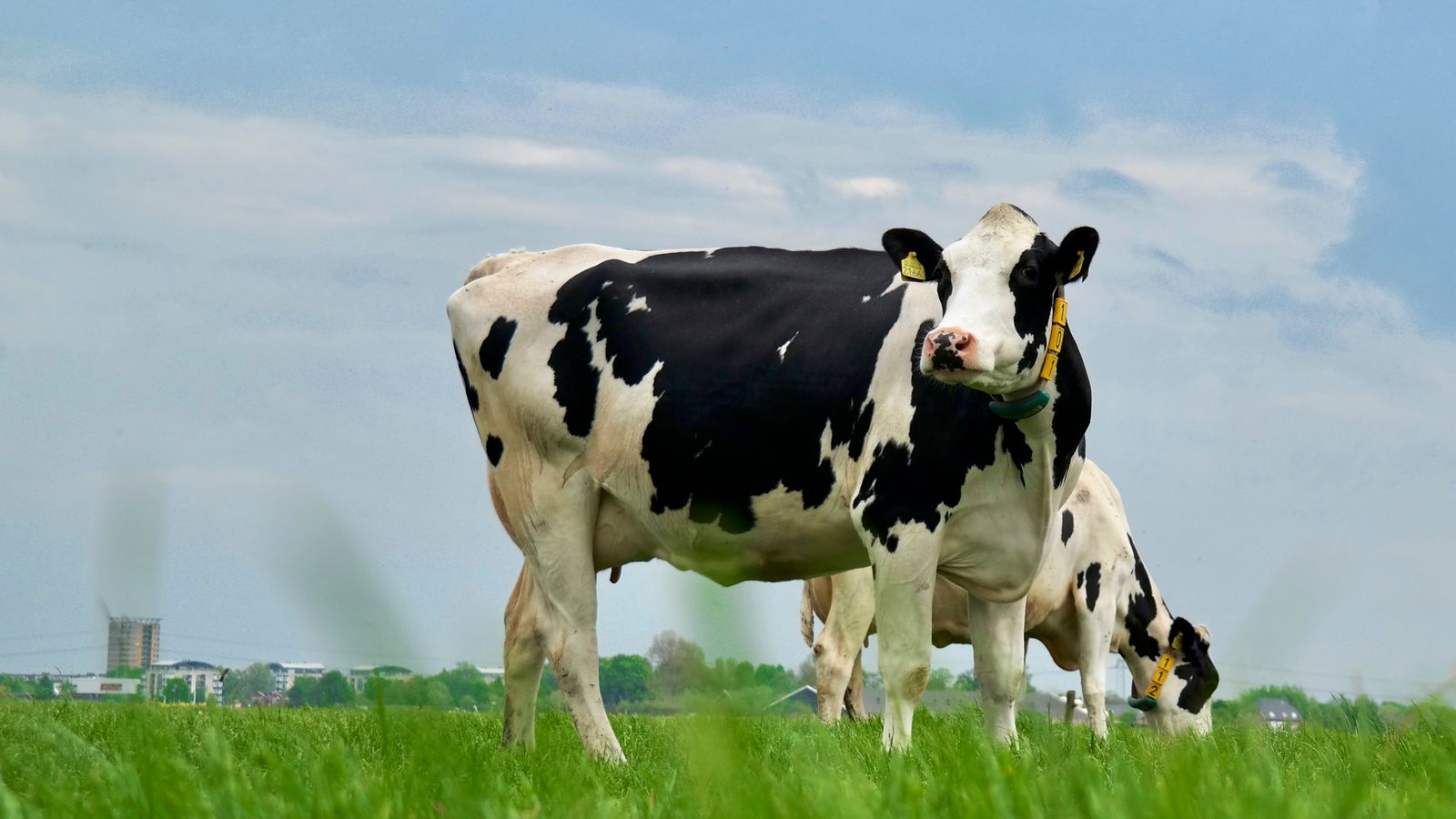
Cheval Dairy
Feeding the Lactating Cow.
Milk is made in the rumen before it is made in the udder. Feeding the dairy cow means feeding the fermentation that powers her.
The Demand
Lactation Asks Everything at Once.
A cow in early lactation faces the highest nutritional demand of her life — while her appetite is still recovering from calving. This gap between intake and output defines dairy feeding: maximise forage intake, protect rumen stability, and bridge the energy gap without tipping the rumen into acidosis.
Cheval Dairy is our proposed category for lactating cows — shaped around forage-first ration design, balanced fermentable energy and steady rumen health.
Enquire on WhatsApp
Key Considerations
Six Anchors of Dairy Ration Design.
Forage Intake
The single greatest lever in dairy nutrition. Quality silage and pasture, fresh feed push-ups and clean water all drive the dry matter intake on which production rests.
Energy Balance
Early lactation runs a deliberate deficit — but a controlled one. Excessive body-condition loss carries fertility and metabolic costs into the next cycle.
Protein in Two Forms
Rumen-degradable protein feeds the microbes; bypass protein supplies the cow. Balancing both avoids waste and supports milk protein production.
Minerals
Calcium and magnesium around calving, phosphorus and trace elements through lactation — balanced to forage analysis and stage, not habit.
Rumen Health
Physically effective fibre, consistent mealtimes and gradual transitions protect rumen pH. A stable rumen is the cheapest milk enhancer there is.
Water
Milk is mostly water. Intake of feed follows intake of water — troughs must be clean, abundant and easy to reach.
Feeding Guidance
Practical Rules for the Dairy Herd.
- Analyse forage before formulating anything — the ration starts in the clamp
- Push up feed regularly; every visit to the bunk is an eating opportunity
- Change rations gradually, especially at calving and turnout
- Group cows by production stage where housing allows
- Watch dung, cud chewing and milk trends as the ration's daily feedback
- Protect the transition period — the three weeks either side of calving set the lactation
- Keep water troughs clean; cows are fussier drinkers than they look
- Work with your veterinarian or nutritionist on persistent metabolic issues
Common Questions
Dairy Feeding, Answered.
Can feed alone increase my milk yield?
Feed is one part of a system that includes genetics, forage quality, housing, water and health. We make no yield promises — a balanced, forage-led ration supports a cow in reaching her own potential.
Why did milk drop after a ration change?
Rumen microbes adapt slowly. Sudden changes in forage or concentrate can cause intake dips, acidosis and milk fat depression. Transition rations over 7–14 days and monitor dung and intake.
How important is feed timing?
Very. Consistent milking and feeding times, regular push-ups and fresh feed after milking all stimulate intake. Rumen stability thrives on routine.
What is subacute ruminal acidosis (SARA)?
A state of chronically low rumen pH, often linked to highly fermentable rations or slug feeding. Signs are subtle — reduced cud chewing, variable dung, milk fat drops. Prevention is ration design: fibre, consistency and gradual change.
Speak With Us
Feeding a Dairy Herd?
Tell us about your herd, forage base and production stage — we will help you think through the ration.
Chat on WhatsApp