
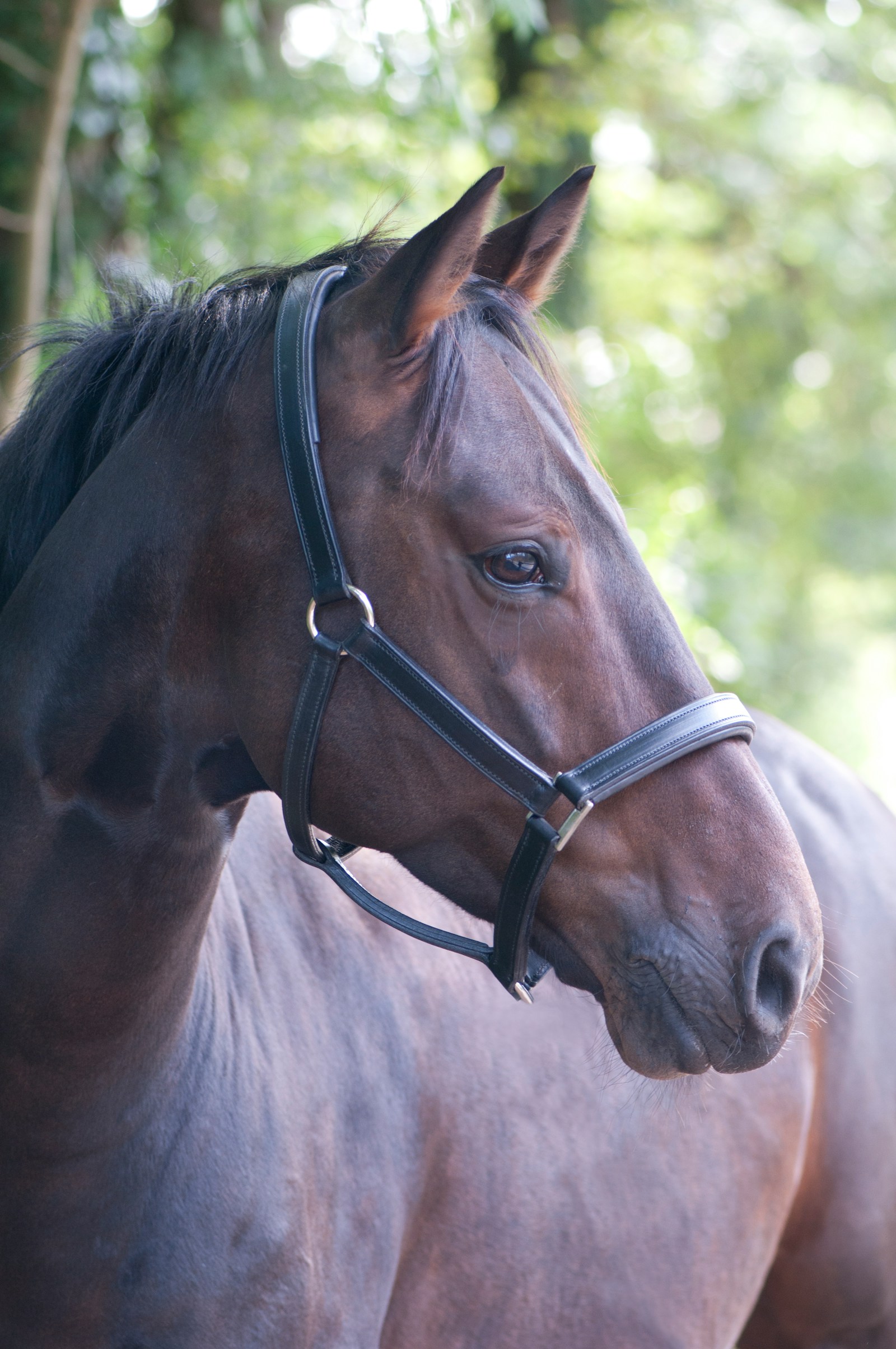
Digestive Health & Fibre
The Gut Rules the Ration.
Every feeding decision a horse owner makes is ultimately a decision about the digestive system. Understand it, and the rest of feeding falls into place.
The Foundation
Designed to Graze, Built on Fibre.
The horse is a hindgut fermenter: a small, acid-producing stomach suited to frequent small meals, followed by a vast fermentation chamber — the caecum and colon — where billions of microbes convert fibre into usable energy. This system works beautifully on what the horse evolved to eat: near-continuous forage.
Modern feeding asks much more of it. Stabling, meal feeding and starch-heavy rations all strain a design built for grazing. Respecting the digestive system is not a wellness trend; it is the core of sound feeding.
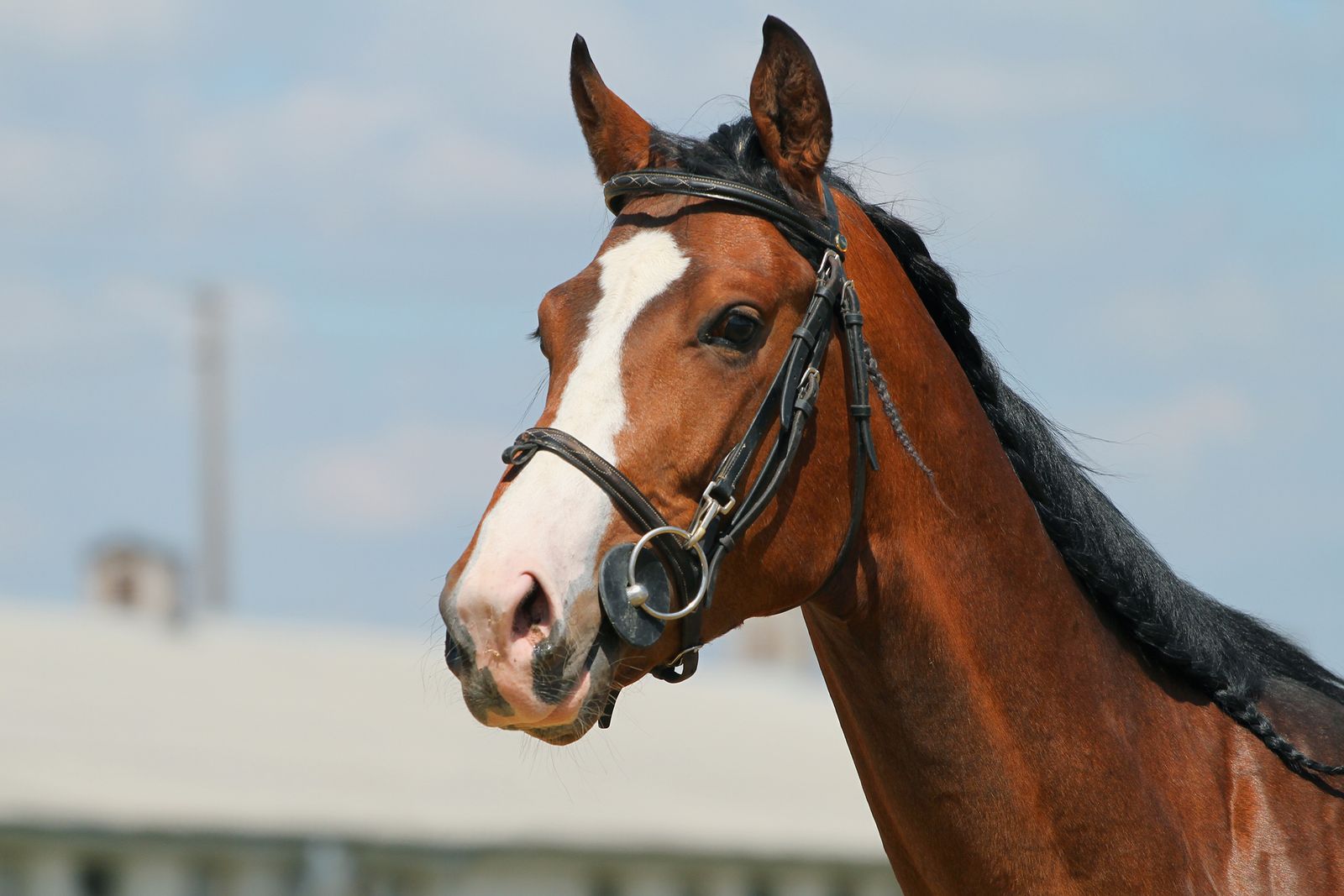
Key Considerations
Six Truths About the Equine Gut.
Digestive Anatomy
The stomach holds only 8–15 litres and produces acid around the clock. Large meals overwhelm it — pushing undigested starch into a hindgut that was never meant to receive it.
Hindgut Fermentation
Microbes in the caecum and colon ferment fibre into volatile fatty acids — the horse's primary natural energy source. These microbes are stable only when the diet is stable.
The Role of Forage
Forage is not filler. It buffers stomach acid through saliva, maintains gut motility and feeds the microbial workforce. Most horses need at least 1.5% of bodyweight in forage daily.
Fibre Quality
Different fibres ferment differently. Good hay, quality pasture and digestible sources like beet pulp support the hindgut; overly mature, stemmy forage contributes bulk but little nutrition.
Feeding Consistency
The microbial population adapts slowly. Abrupt changes in feed or forage can cause dysbiosis, gas and colic risk. Every change deserves 7–14 days of transition.
Hydration
Fibre holds water in the hindgut — a reservoir the horse draws on in work and heat. Without adequate water intake, fibre cannot do its job and impaction risk rises.
Feeding Guidance
Practical Rules for a Healthy Hindgut.
- Maximise forage access — trickle feeding beats feast and famine
- Keep concentrate meals small and split across the day
- Feed forage before hard feed to buffer the stomach
- Make all dietary changes gradually over one to two weeks
- Provide constant access to clean, fresh water
- Watch droppings — they are the gut's daily report card
- Treat unexplained condition change, loose droppings or appetite loss as information, and involve your vet when patterns persist
- Keep feeding times consistent, including weekends
Common Questions
Digestive Health, Answered.
Why can't horses handle large grain meals?
The equine stomach is small and empties quickly. A large starchy meal can pass through undigested and reach the hindgut, where rapid starch fermentation produces acid and gas — disrupting the microbial balance and raising colic and laminitis risk.
What are the early signs of digestive upset?
Subtle changes first: altered appetite, changes in droppings, mild restlessness, reduced performance or weight drift. Persistent signs warrant veterinary attention — gut issues in horses should never be watched casually.
Do probiotics help horses?
Evidence in horses is mixed and product-dependent. The most proven gut support remains management-based: forage-first feeding, consistency, gradual changes and adequate water.
How much hay is enough?
A common minimum target is 1.5% of bodyweight in forage dry matter daily — about 7.5 kg for a 500 kg horse — with many horses thriving on more, restricted only where weight or veterinary needs dictate.
Speak With Us
Worried About Your Horse's Gut Health?
Describe your horse's feeding routine — we will help you think it through. For clinical concerns, always consult your veterinarian.
Chat on WhatsApp