
Equine Nutrition
The Fundamentals of Feeding the Horse.
Before any feed bag is opened, good nutrition begins with understanding what the horse is built to eat.
First Principles
The Horse is a Forage Animal.
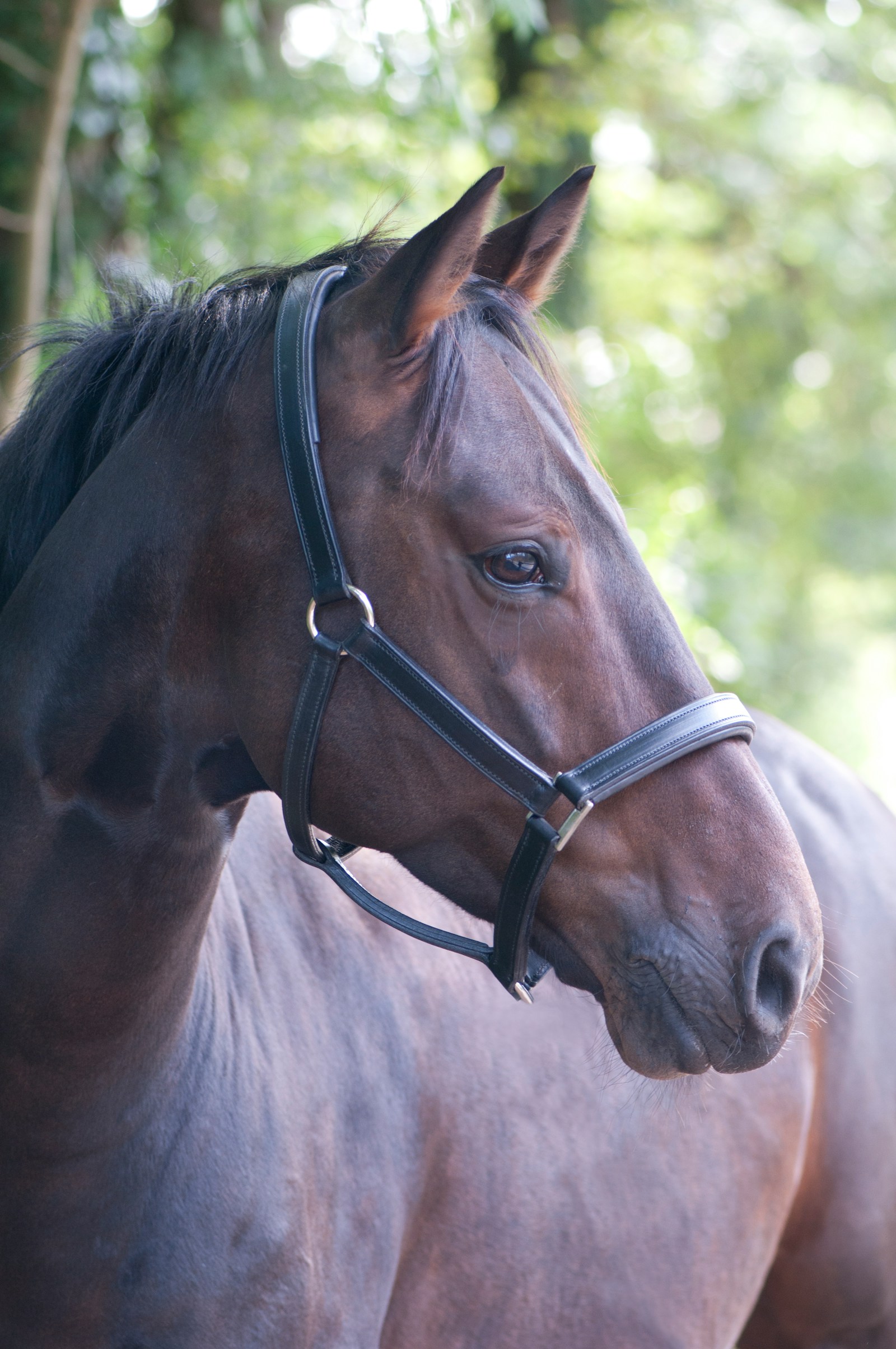
The equine digestive system evolved around near-constant grazing on fibrous plants. Everything in good feeding practice flows from that single fact: forage — pasture, hay or haylage — should form the foundation of virtually every horse's ration, with concentrates added only to fill genuine nutritional gaps.
When forage quality, workload, age or health create needs that pasture alone cannot meet, a thoughtfully formulated feed earns its place. That is the space Cheval Feed is built for.
Explore the Horse Feed Range
The Building Blocks
Six Pillars of the Equine Ration.
Forage
The structural core of the ration. Long-stem fibre supports gut motility, hindgut fermentation and natural grazing behaviour. Most horses thrive on 1.5–2% of bodyweight in forage daily.
Energy
Supplied first by fibre fermentation, then by fats and digestible carbohydrates. Energy needs rise with workload, growth, lactation and cold weather — and should always be matched, not guessed.
Protein
Quality matters more than quantity. Essential amino acids — especially lysine — support muscle, growth, milk production and tissue repair.
Vitamins
Horses on fresh pasture meet many vitamin needs naturally; horses on stored forage or in hard work often need supplemental vitamins, particularly E and the B group.
Minerals
Calcium, phosphorus, magnesium, sodium and trace minerals like copper, zinc and selenium must be present in correct amounts — and correct ratios to one another.
Water & Hydration
The most essential nutrient of all. A horse can drink 25–55 litres a day, far more in work or heat. Clean, fresh water must always be available.
Context Changes Everything
Workload and Life Stage Shape the Ration.
A retired pony, a lactating mare and a three-day eventer may share a paddock fence, but they share almost nothing nutritionally. Feeding well means feeding the individual:
- Maintenance & light work — forage-led, modest concentrates if any
- Moderate to heavy work — elevated energy, electrolytes and recovery nutrition
- Breeding & lactation — rising energy, protein and mineral demands
- Growth — steady, balanced development over rapid gain
- Senior years — digestibility, dental adaptation and condition keeping
Common Questions
Equine Nutrition, Answered.
How much of my horse's diet should be forage?
For most horses, forage should provide the large majority of the ration — commonly at least 1.5% of bodyweight per day in dry matter. Concentrates supplement forage; they never replace it.
Does every horse need a concentrate feed?
No. Many horses in light work thrive on quality forage plus a balancer or vitamin-mineral supplement. Concentrates become relevant when forage alone cannot meet energy, protein or micronutrient needs.
How do I know if my horse is at a healthy weight?
Use body condition scoring: feel for fat cover over the ribs, withers, neck and hindquarters, and reassess regularly. Your veterinarian or an equine nutritionist can guide target condition for your horse's discipline and age.
Are dietary changes dangerous for horses?
Sudden changes can disrupt hindgut microbes. Introduce any new feed or forage gradually over 7–14 days, and keep feeding times consistent.
Speak With Us
Questions About Equine Nutrition?
Tell us about your horse — age, workload, condition — and we will point you toward the right category.
Chat on WhatsApp