
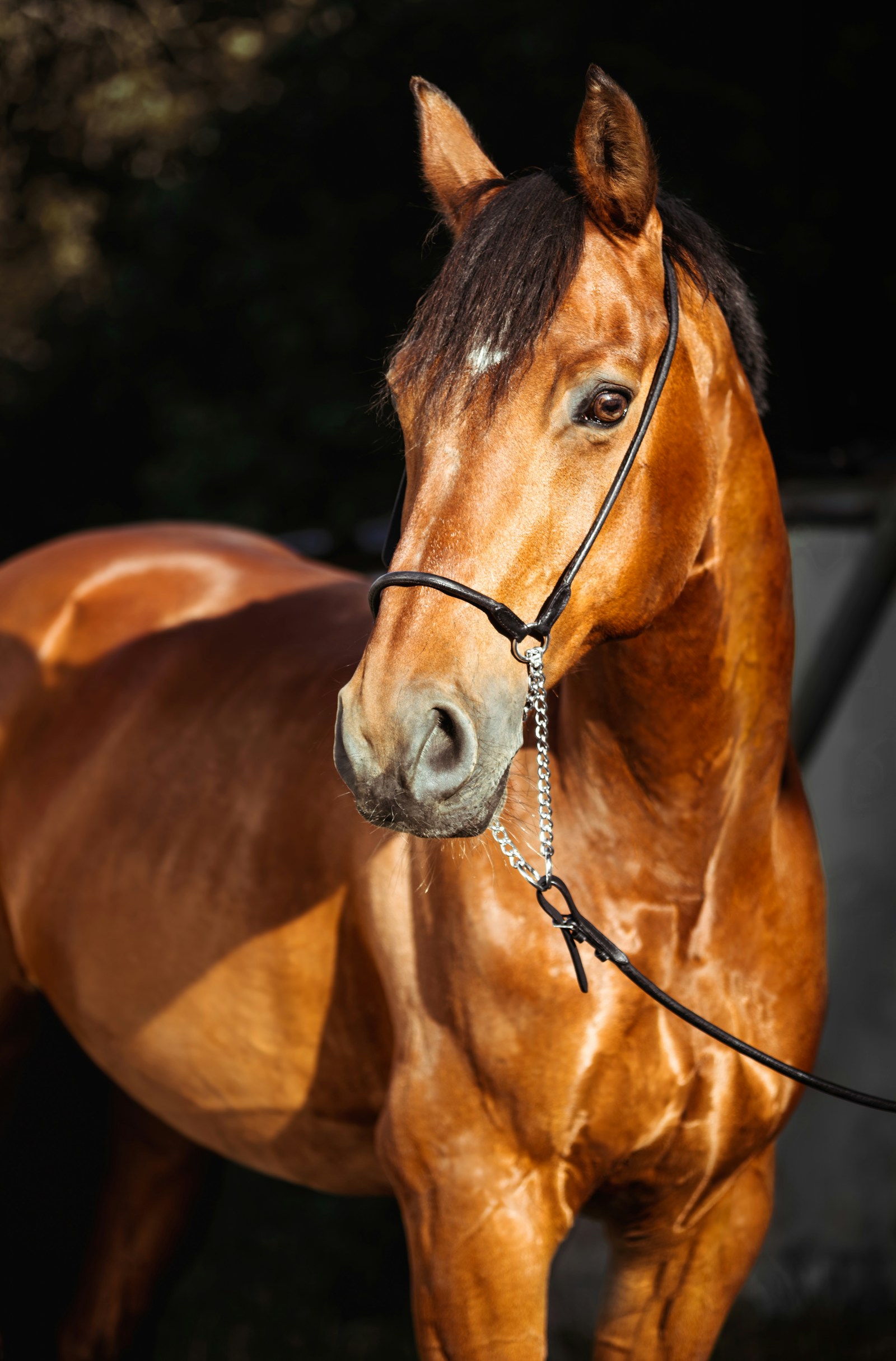
Cheval Senior
Honouring the Horse That Gave Everything.
Ageing is not a disease — but it does change the rules of feeding. The senior horse deserves a ration redesigned around comfort, digestibility and dignity.
The Transition
When the Old Ration Stops Working.
Most horses are considered senior from their late teens, though condition — not birthdays — is the truer guide. Worn teeth, reduced digestive efficiency and changing metabolism mean the ration that sustained a horse for a decade may quietly stop serving them. The signs are subtle: slow condition loss, quidding, longer meals, a duller coat.
Cheval Senior is our proposed category for the ageing horse — built around digestible fibre, quality protein and ease of eating.
Enquire on WhatsApp
Key Considerations
What Changes With Age.
Dental Health
Worn or missing teeth make long-stem forage difficult. Soaked feeds, pellets and chopped fibre replace chewing capacity the mouth no longer provides. Regular dental care is essential.
Forage Quality
Older horses extract less from the same bale. Softer, earlier-cut forage and alternative fibre sources keep the hindgut working when coarse hay becomes hard work.
Body Condition
Weight loss is the classic senior warning sign, but some seniors gain instead. Score condition monthly and feed the horse in front of you.
Protein & Muscle
Ageing horses lose muscle more easily, especially over the topline. Quality protein with adequate lysine helps preserve condition and strength.
Fibre Alternatives
Beet pulp, soaked hay pellets and chaff can maintain fibre intake when hay is no longer manageable. Fibre remains non-negotiable — only its form may change.
Individualised Feeding
No two seniors age alike. Teeth, PPID status, mobility and metabolism all shape the ration. Senior feeding is bespoke by definition.
Feeding Guidance
Practical Rules for the Senior Paddock.
- Schedule dental examinations at least annually — feeding cannot fix teeth
- Soak pellets and beet pulp to a soft mash for horses with compromised chewing
- Feed seniors separately so slower eaters are not driven off their ration
- Weigh-tape monthly; condition drift in seniors is gradual until it is sudden
- Keep water accessible and, in winter, take the chill off — seniors drink less readily
- Provide shelter and rugs as needed; the calories spent staying warm are real
- Review the ration with your vet if Cushing's (PPID) or metabolic concerns arise
- Change feeds gradually, as with any horse, over 7–14 days
Common Questions
Senior Feeding, Answered.
At what age should my horse move to a senior feed?
Condition and capability matter more than age. Consider a senior formulation when chewing becomes difficult, condition drifts despite adequate feeding, or your vet flags age-related changes — often from the late teens onward.
My senior horse drops feed while eating — what does that mean?
Quidding — dropping wads of partly chewed feed — usually signals dental problems. Book a dental examination before changing the ration; then adapt feed form to what the mouth can manage.
Can senior horses live on hay replacers alone?
Horses with severely compromised teeth can be maintained on complete soaked fibre diets, but total fibre intake must still be adequate. Your veterinarian or nutritionist can help design a safe forage-replacement ration.
Why is my old horse losing topline despite eating well?
Age-related muscle loss, reduced protein utilisation and conditions like PPID can all contribute. Review protein quality in the ration and consult your veterinarian for an underlying-cause workup.
Speak With Us
Caring for an Ageing Horse?
Tell us about your senior — age, teeth, condition — and we will help you think through the ration.
Chat on WhatsApp