
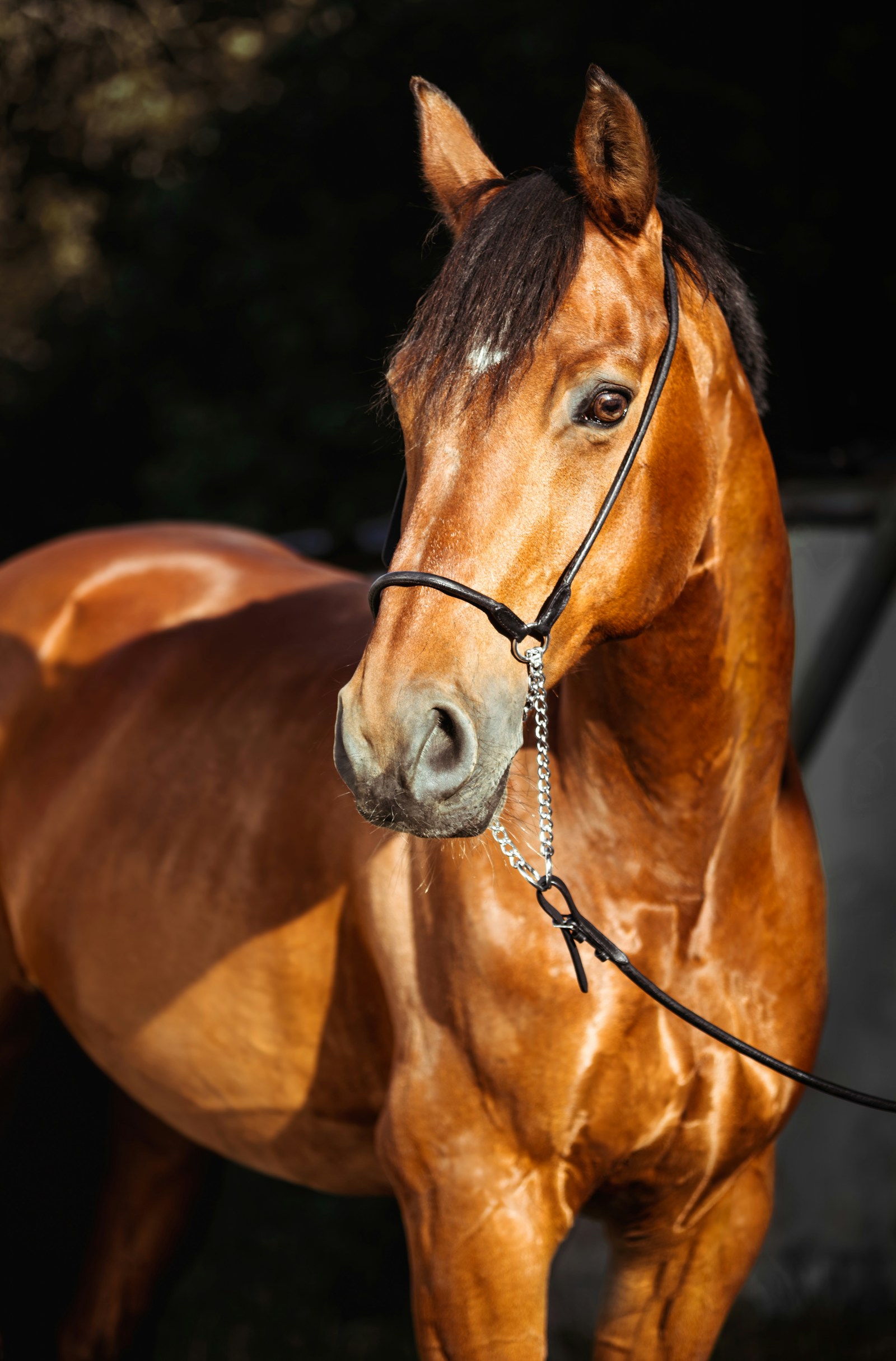
The horse that carried you through a decade does not suddenly become old — it drifts there, one subtle change at a time. Meals take a little longer. The topline softens. Winter costs a little more condition than it used to. Senior feeding is the art of noticing those drifts early and redesigning the ration around them, so the later years are comfortable ones.
When Is a Horse "Senior"?
Chronology is a poor guide. Many horses are labelled senior from their late teens, but the honest answer is functional: a horse is senior when ageing starts changing what it can eat and what it can extract from it. Some horses reach that point at fifteen; others are thriving on ordinary rations at twenty-five. Feed the horse in front of you — but start watching more closely from the mid-teens onward.
Teeth: The Gateway to the Whole Ration
No feeding programme can outrun dental disease. Horses' teeth wear continuously, and by the senior years they may be worn smooth, missing, loose or wave-mouthed. The classic signs are slow eating, dropping wads of half-chewed forage (quidding), whole grain appearing in droppings, and weight loss despite an apparently full manger.
Two rules follow. First, dental examination at least annually — more often once problems are known — is a feeding intervention, not a luxury. Second, once chewing is compromised, the form of fibre must change: soaked hay pellets, beet pulp mashes and chopped fibre can carry the forage load that long-stem hay no longer can. Fibre remains non-negotiable; only its shape may change.
Forage Management for the Ageing Gut
Even with good teeth, the senior digestive system extracts less from the same forage. Softer, earlier-cut hay is more digestible and easier to chew than coarse, stemmy material. Where grazing is rich, seniors often do well; where pasture is poor or winter is long, the forage gap must be filled deliberately — with quality hay, soaked fibre feeds and senior-formulated concentrates that complete the ration.
For horses that can no longer manage any long-stem forage, complete soaked-fibre diets exist — but designing them properly deserves professional input, because total fibre intake and meal moisture both become critical.
Body Condition: The Monthly Habit
Weight loss is the classic senior warning sign, but it is not the only pattern — some older horses gain easily, particularly those with metabolic tendencies. The discipline is the same either way: weight-tape and condition-score monthly, keeping simple notes. Seniors rarely lose condition dramatically; they lose it gradually, then suddenly. Monthly records catch the gradual phase, when correction is cheap and easy.
Remember the hidden calories of winter: an older horse burning energy to stay warm may need a rug more than it needs more feed — and often both.
Protein and the Vanishing Topline
Ageing horses lose muscle more readily and rebuild it more slowly, particularly along the topline. A ration adequate in energy but short on quality protein accelerates that loss. Senior feeds are typically formulated with elevated, quality protein and attention to lysine for exactly this reason. If a senior is holding weight but losing muscle, protein quality — not calories — is the first dial to check, in consultation with your vet to rule out underlying causes such as PPID (Cushing's disease).
Hydration and the Older Horse
Seniors often drink less readily, particularly in cold weather, while remaining just as vulnerable to impaction when water intake falls. Keep water clean, accessible and — in winter — take the chill off it. Soaked feeds contribute useful moisture. A salt source in the ration encourages drinking. Watch the water bucket the way you watch the feed bin.
The Individualised Ration
More than any other life stage, senior feeding is bespoke. The practical checklist:
- Feed separately from younger, faster herd mates so the senior is not driven off its ration.
- Offer soaked, soft meals to horses with compromised teeth — and feed little and often.
- Choose senior-formulated feeds that address protein quality and digestibility together.
- Review the ration with your veterinarian whenever PPID, arthritis or other age-related conditions enter the picture.
- Change feeds gradually over 7–14 days, as with any horse — the hindgut's rules do not retire.
The goal of senior feeding is not more years on the ration card — it is more comfort in every year.
For the category built around these principles, see senior horse nutrition; for the wider feeding framework, our equine nutrition overview is the place to start.