
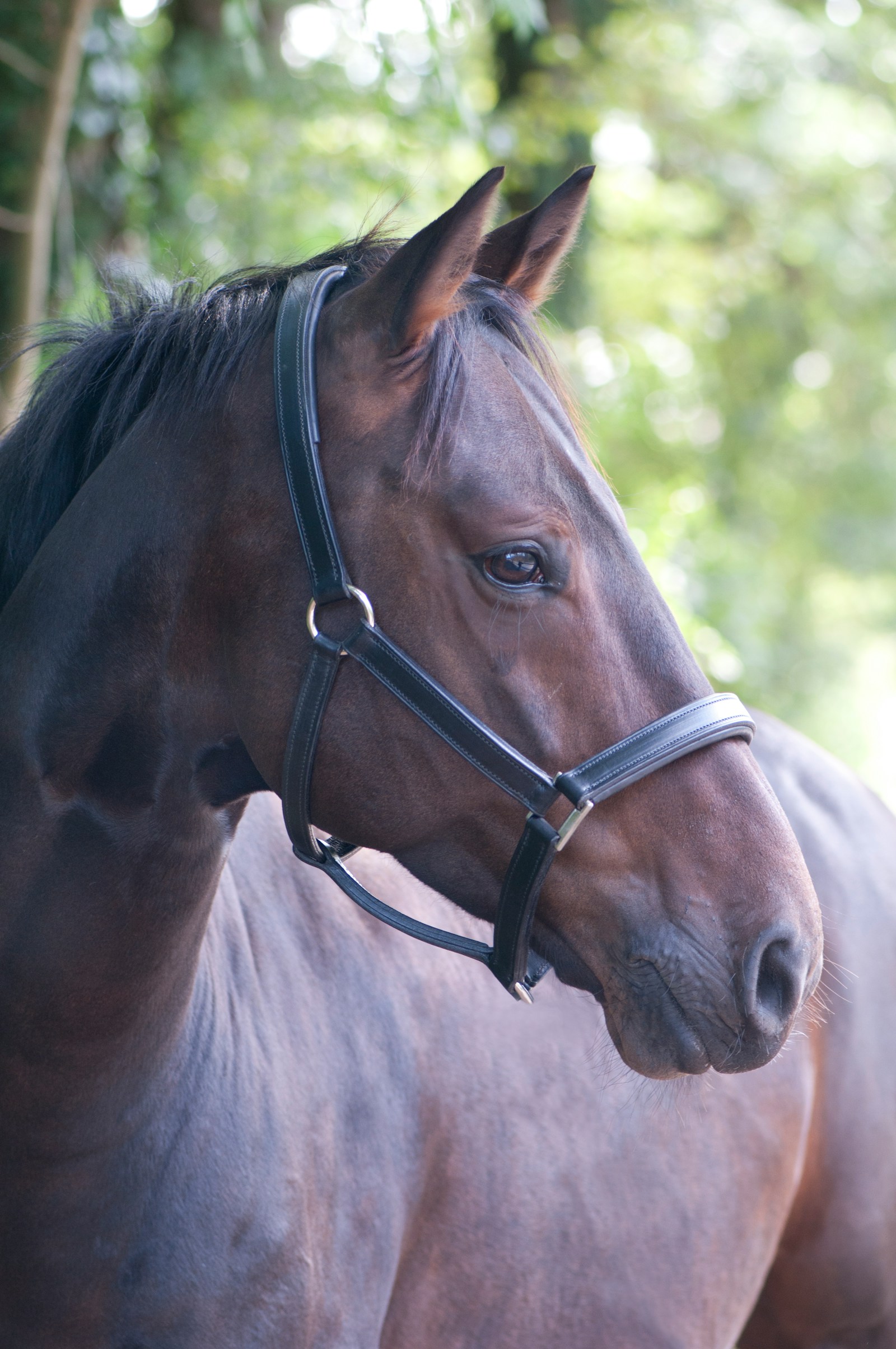
Cheval Junior
Building the Foundation for a Lifetime.
The skeleton a horse carries into adulthood is built in its first years. Growth nutrition is about steadiness — never speed.
The Principle
Grow Them Slowly, Surely.
Rapid growth is not a goal; sound growth is. Young horses pushed for size through energy-dense feeding carry a higher risk of developmental orthopaedic problems. The objective is a steady growth curve — consistent, balanced, and matched to the individual's breed, frame and maturity rate.
Cheval Junior is our proposed category for foals, weanlings, yearlings and horses in early development — designed around controlled energy, quality amino acids and correctly balanced minerals.
Enquire on WhatsApp
Key Considerations
What Growing Bodies Actually Need.
Steady Growth Rates
Consistency beats speed. A smooth growth curve — tracked by regular weighing and condition scoring — protects developing joints, tendons and bone.
Energy in Proportion
Young horses need energy for growth, but excess energy drives rapid gain and fat cover. Energy should follow measured growth, not appetite.
Protein & Amino Acids
Growth is protein construction. Lysine, threonine and methionine are the amino acids most likely to limit development if the ration is short on quality protein.
Balanced Minerals
Calcium and phosphorus in correct ratio, with copper and zinc in support, form the mineral backbone of skeletal development. Balance matters more than abundance.
Forage as Foundation
Even growing horses are forage animals. Quality hay or pasture supports gut development and natural behaviour while concentrates fill the growth gaps.
Monitoring & Adjustment
Growth is not linear. Weigh, score and review the ration monthly — and adjust before small drifts become structural problems.
Feeding Guidance
Practical Rules for Young Stock.
- Introduce creep feeding when foals show interest in the mare's feed
- Feed weanlings separately from adults so intake can be monitored
- Divide the daily concentrate into at least two small meals
- Choose growth-formulated feeds over adult feeds at higher rates
- Weigh or weight-tape monthly and plot the growth curve
- Keep youngsters moving — turnout supports sound skeletal development
- Never chase condition before a sale or show with sudden feed increases
- Discuss any growth irregularities with your veterinarian promptly
Common Questions
Growth Nutrition, Answered.
Isn't faster growth better for a future sport horse?
No. Research and field experience associate rapid, pushed growth with a greater risk of developmental orthopaedic disease. Buyers and judges reward maturity and soundness — both products of steady growth.
When should a foal start eating solid feed?
Foals naturally begin sampling the mare's feed within the first few weeks. A creep feed becomes useful as milk's contribution declines, usually from two to three months onward.
What minerals matter most for growing horses?
Calcium and phosphorus in the correct ratio are central to bone formation, with copper and zinc playing important supporting roles. Use a growth-formulated feed or balancer rather than layering individual supplements.
My yearling looks ribby — should I double the feed?
Look before you load. Young horses often carry a lean, athletic frame through growth spurts. Assess condition objectively, rule out worms and dental issues with your vet, and adjust the ration gradually if a genuine gap exists.
Speak With Us
Raising the Next Generation?
Tell us about your young horses — age, breed, growth stage — and we will help with feeding direction.
Chat on WhatsApp