
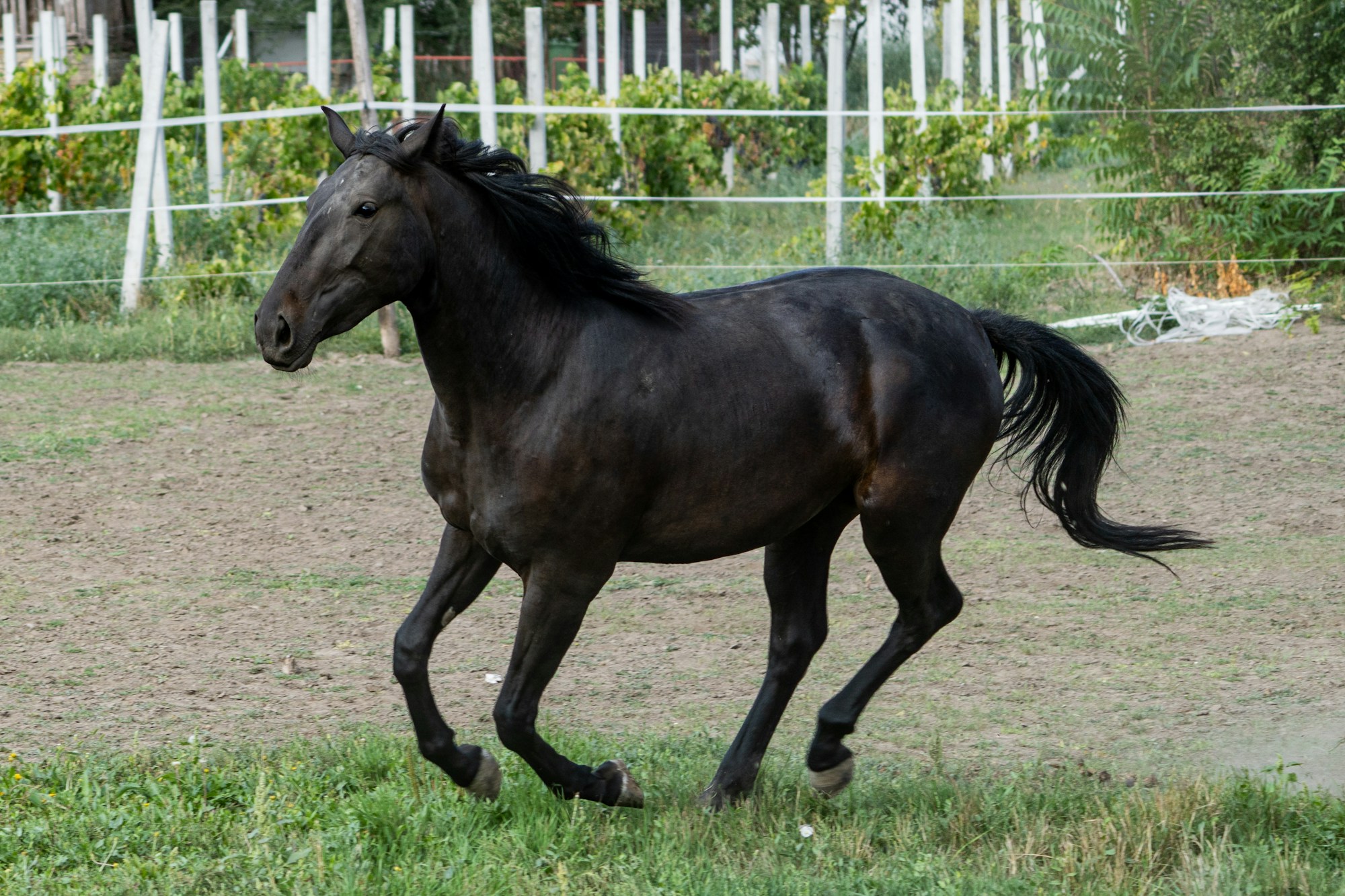
Cheval Endurance
Nutrition for the Long Distance.
Endurance is a sport of hours, not seconds. Its nutrition is measured the same way — in sustained energy, steady hydration and a gut that keeps working.
The Discipline
Fuelled by Fibre, Finished by Fitness.
Unlike speed disciplines, endurance exercise is powered primarily by aerobic metabolism — and the endurance horse's best friends are fibre fermentation and fat. Rations built too heavily on cereal starch can work against both gut stability and the steady energy release the sport demands.
Cheval Endurance is our proposed category for distance horses, shaped around forage quality, digestible fibre, oil-based energy and meticulous hydration management.
Enquire on WhatsApp
Key Considerations
Five Demands of Distance Feeding.
Long-Duration Energy
Endurance work runs on aerobic fuel: volatile fatty acids from fibre and fats from oil-rich ingredients. These release energy slowly and evenly across hours of effort.
Energy Balance
Distance horses can struggle to hold condition through a season. Monitoring intake against workload — week by week — keeps energy balance positive without excess.
Hydration & Electrolytes
Prolonged sweat losses are the defining challenge of the sport. Water access, electrolyte replacement and pre-ride hydration strategy are non-negotiable.
Fibre & Gut Fill
A hydrated fibre mat in the hindgut acts as a fluid and electrolyte reservoir during long efforts. Forage before and during rides supports this reserve.
Feeding Management
Small, frequent offerings; familiar feeds on competition day; nothing new on race morning. Consistency is a performance tool in itself.
Recovery Nutrition
After long efforts, the priority is water, then forage, then a measured feed. The hours after a ride set up the weeks that follow it.
Feeding Guidance
Practical Rules for the Distance Yard.
- Build the ration on quality forage; add oil-based energy before starch
- Practise your competition feeding routine in training — never improvise on event day
- Offer wet feeds and soaked forage to support fluid intake
- Replace electrolytes in proportion to sweat, with water always available
- Encourage grazing and small hay offerings at every hold and crew point
- Watch appetite after hard rides — a horse off feed is information, not inconvenience
- Keep body condition monitored across the season, not just at events
- Involve your veterinarian in any hydration or metabolic concerns early
Common Questions
Endurance Nutrition, Answered.
Should endurance horses eat grain at all?
Many distance horses perform best on forage- and oil-forward rations with modest starch. Individual needs vary with workload, metabolism and condition — the trend in the sport is toward fibre and fat as primary fuels.
How do I keep my endurance horse drinking?
Constant water access at home, electrolyte acclimation in training (so the horse drinks familiar flavours), soaked feeds, and offering water at every opportunity during rides.
What should my horse eat during a competition?
Small amounts of familiar forage, grazing opportunities, and wet palatable feeds at vet gates — alongside water. Large grain meals have no place mid-ride.
Why is gut fill so important?
Hindgut fibre holds water and electrolytes that the horse draws on during prolonged exercise. Riding on a deliberately empty stomach undermines hydration and gut function.
Speak With Us
Preparing for the Distance?
Tell us about your horse and your season — we will help you think through fuelling and hydration.
Chat on WhatsApp