
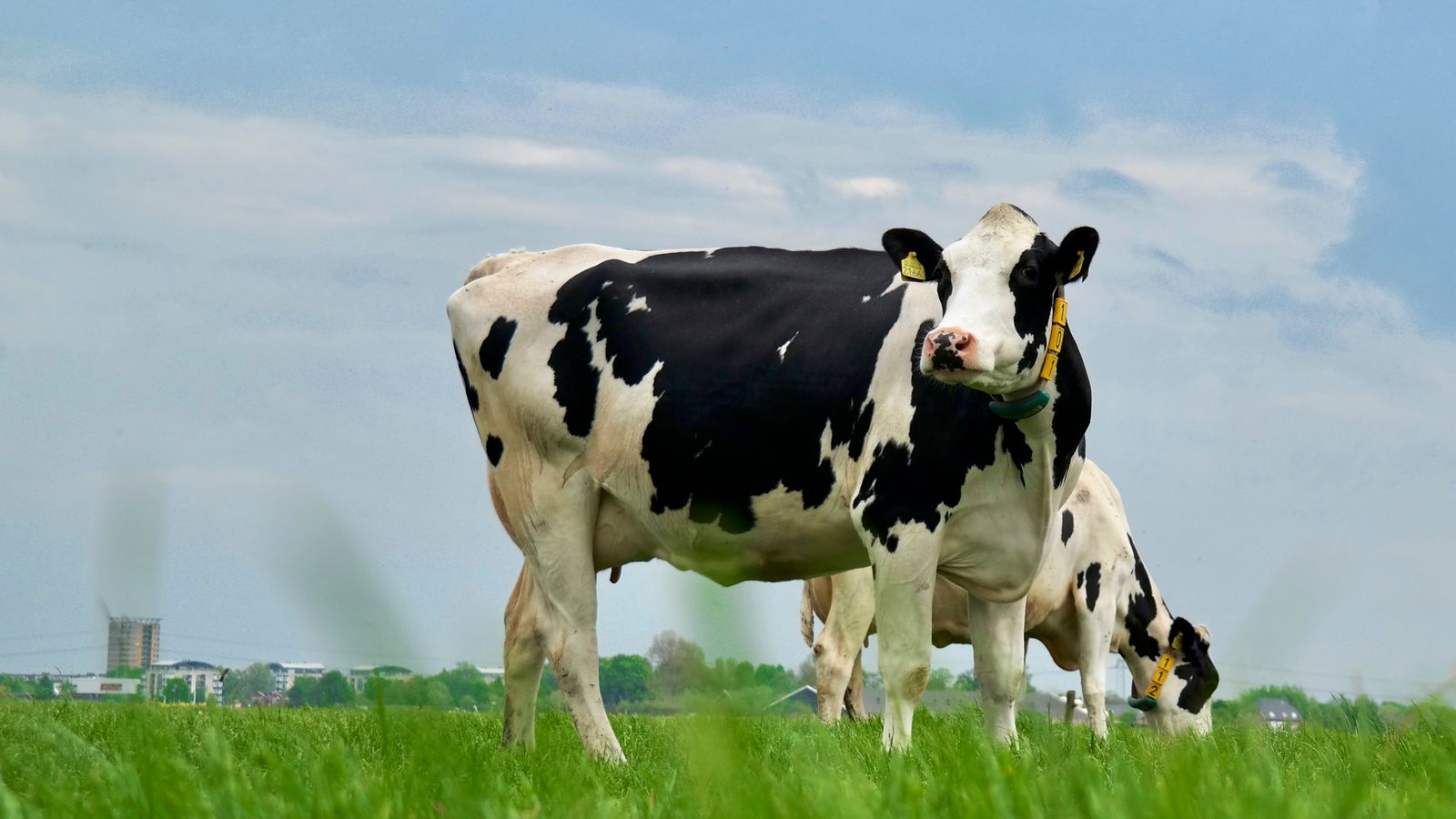
Milk is not made in the udder. It is made in the rumen — in a fermentation vat of a hundred-odd litres, worked by billions of microbes that turn forage into the fuel of lactation. Every litre in the tank traces back to how well that microbial workforce was fed. Dairy nutrition is therefore less about the cow than about her rumen: feed the microbes well, and the cow — and the milk cheque — follows.
Understanding the Rumen
Cattle are ruminants: a four-chambered stomach in which the rumen and reticulum act as a fermentation chamber ahead of true digestion. Microbes break down fibrous plant material and release volatile fatty acids — the cow's principal energy source — while also manufacturing microbial protein, the single most important protein source the cow absorbs.
The system thrives on stability. A healthy rumen holds a near-constant pH, a steady rhythm of contractions, and a dense fibrous mat floating on liquid contents. Cud chewing — a contented herd chews cud for much of its resting time — is the outward sign that all of this is working.
Forage: The Ration's True Base
Everything in dairy feeding starts with forage: pasture, silage, hay. It supplies physically effective fibre — the scratch factor that stimulates cud chewing, saliva production and rumen buffering. A ration short on effective fibre invites subacute ruminal acidosis (SARA): chronically low rumen pH that shows up as variable dung, reduced cud chewing, milk fat depression and lameness over time.
The practical rule: analyse your forage before you formulate anything. Silage varies enormously between cuts, clamps and seasons, and every concentrate decision should be sized to the forage actually in front of the cows — not the forage described on paper last year.
Energy and the Early-Lactation Gap
A freshly calved cow faces the highest energy demand of her life while her appetite is still recovering. For weeks, output exceeds intake, and she milks off her own back — a controlled, expected deficit, but one with limits. Excessive condition loss in early lactation carries costs into fertility and metabolic health for the rest of the cycle.
Ration design manages this gap: highly palatable, nutrient-dense early-lactation rations; fermentable energy to drive microbial growth without swamping the rumen; and feed presented so that intake is maximised — fresh feed after milking, regular push-ups, generous bunk space, clean water always.
Protein in Two Halves
Dairy protein feeding is a story of supply and supply-chain. Rumen-degradable protein feeds the microbes, which multiply and are later digested by the cow as microbial protein. Rumen-undegradable (bypass) protein passes through intact, carrying amino acids directly to the cow. High producers need both, in balance: too little degradable protein starves the microbes; too much is excreted as expensive, polluting waste.
Minerals: Small Amounts, Large Consequences
Mineral nutrition pivots on the calendar:
- The dry period and transition — calcium and magnesium strategy around calving protects against milk fever and its cascade of consequences. The three weeks either side of calving set up the entire lactation.
- Lactation — phosphorus, calcium, magnesium and trace elements (copper, zinc, selenium among them) support production, immunity and fertility, balanced against the farm's forage mineral profile.
The enduring rule: balance minerals to measured forage gaps and production stage, never to habit — excesses are as real as deficiencies.
Feeding by Production Stage
One ration does not fit the herd:
- Far-off dry cows — controlled energy, quality forage, condition maintenance.
- Close-up / transition cows — the critical final three weeks: adapted energy density, mineral strategy, maximal intake.
- Early lactation — peak nutrient density, appetite stimulation, close monitoring.
- Mid to late lactation — efficiency rations matched to yield, protecting condition for the next cycle.
Where housing allows, grouping cows by stage lets the ration match the need instead of averaging it away.
Water: The Forgotten Nutrient
Milk is mostly water, and a lactating cow may drink well over 100 litres a day — more in heat. Feed intake follows water intake: restrict one and you restrict the other. Troughs must be clean, abundant and positioned so cows can drink without competition after milking, when thirst peaks.
Monitoring: The Herd Tells You Daily
The rumen reports on the ration every day, for those who look: dung consistency, cud-chewing rates, rumen fill, milk yield and fat trends, and body condition across the herd. Walk the herd with these five in mind weekly, and ration problems surface while they are still cheap to fix. Persistent metabolic patterns belong in a conversation with your veterinarian or nutritionist.
Feed the rumen consistently, and the rumen will feed the cow faithfully.
For the categories built around these fundamentals, explore dairy cattle feeding, calf nutrition and the cattle nutrition overview.